Skip to content

News

No results articles found

  • Get Familiar: Joshua Baraka

    Get Familiar: Joshua Baraka

    Interview by Passion DzengaBefore Joshua Baraka became a familiar name on lineups, he was a 17-year-old in Kampala playing piano in bars and serving on church worship teams. Raised in a house where his mother led worship and his father preached from the pulpit, music wasn’t a hobby so much as a second language—gospel, Radio & Weasel, Lucky Dube and Bob Marley all folding into the same soundtrack. That mix of faith, family and constant rehearsal quietly shaped the artist he is now: a writer who treats songs like stories, and performances like testimony.On his debut album Juvie, executive-produced by JAE5, Joshua steps fully into his coming-of-age era—channelling young adulthood, love, doubt and growth through a sound that fuses Afrobeats, R&B, gospel and soul without ever losing sight of home. Fresh off a sold-out European tour, AFRIMA nominations, and a show-stealing co-headline with Tems in Kenya, he’s thinking less about numbers and more about connection: making young listeners feel less alone, and making sure the world knows exactly where this voice comes from—Uganda, East Africa, and a lifetime of familiar melodies turned into something new. You’ve had quite a remarkable journey—from playing piano in Kampala bars at 17 to headlining European shows today. When you look back, what kept you going through the toughest moments?First and foremost, God. I’m a firm believer, and He’s helped me through a lot. My friends and family too—I have a tight-knit circle that keeps me levelheaded. My parents, my team… I’m blessed to have good people around me who help me stay focused on the vision.Growing up in Uganda, in Kampala, what were some of your earliest musical memories?It was amazing. Kampala is such an inspiring place because you’re constantly interacting with different people, and that means different music. I grew up listening to acts like Radio & Weasel, Lucky Dube, Bob Marley—plus a lot of gospel from church. All of that shaped how I view and make music.You mentioned church—how did that environment shape your musical style?Church music is rich. Very musical. I learned instruments there—mainly piano and keyboard—and we were always rehearsing, always arranging songs in new ways each week. That trained my composition skills and made me approach music from a deeply musical place.What influence did your family have on your musical journey?A huge one. My mum was a worship leader—she always kept music in the house, so I’ve basically been listening to music since the womb. She coached me when I first showed interest. My dad, who’s a pastor, would take me to church and introduce me to all the best musicians. He’s also a great writer, so I picked up writing from him.When did you first realise music could be your path, not just a dream?After high school. Music was the main thing I was doing, and it just clicked—this is what I should be doing consistently.Your debut album Juvie is on the way and it’s executive-produced by JAE5. How did that collaboration come together?We were connected through someone on my team, and when we met we clicked instantly. I spent a lot of time in London at his studio building the album from scratch. It was humbling—I’ve always admired JAE5, so getting to work closely with him was a blessing.What was the studio process between you two like?It depended on the vibe of the day. Sometimes I’d start with piano while he did drums, sometimes he’d start melodies while I wrote. We bounced off each other. Whoever was inspired in the moment would lead.Can you talk about the album itself? What does Juvie mean to you?Juvie is short for “juvenile”—it’s about young adulthood. My experiences, my views on love, relationships, life. It’s my first album, something I’ve always wanted to make, and I’m really excited for it.As one of Africa’s rising stars, how did you approach crafting the sound of the album?I fused all my influences—R&B, gospel, soul, Afro sounds. I’m from Africa, so the African touch is always there, but I didn’t restrict myself to only Afrobeats. Every song feels different but still rooted in where I’m from.What message do you hope young listeners take from this project?I want young adults to feel less alone. The things I sing about are universal—I've travelled and seen that we all go through similar experiences in different ways. I just want to give my perspective and hopefully inspire someone.If Juvie were the soundtrack to a movie, what genre would that film be?A coming-of-age film—life, drama, love, growth. That’s the world the album lives in.You just wrapped a sold-out European tour, including a major London show. How did it feel performing to fans around the world?It’s crazy—in the best way. Seeing people across the world resonate with your music is special. It shows me I’m on the right path. Every show inspires me.Any standout moments from the tour?The London show at EartH was huge—biggest venue, so much love. Berlin’s crowd was amazing. Denmark had incredible sound. Finland was special because it was my first time there, and realising I have fans there was surreal.Did you travel with your team during the tour?Yes, I travelled with my team. Most cities were playback sets, but London was with a full band based there. It was all very organised and smooth.You recently co-headlined a major festival in Kenya alongside Tems. What was that like?Incredible. So many people, lights in the crowd, everyone singing. I felt like a rockstar. I love Tems, so sharing a headline with her and meeting her was amazing.Do you prefer playing in new territories or being back home in Africa?New spaces. It’s like a first date—you’re experiencing each other for the first time. I love that energy.You’ve been nominated for two AFRIMA Awards this year. How does that feel?It’s overwhelming in the best way. Things you dream about or watch on TV suddenly happening to you… it means everything.How do you see Uganda—and East Africa overall—fitting into the global spotlight on African music?East Africans are incredible storytellers. The music is rich. The world’s eyes are starting to shift to places they haven’t explored yet, including Uganda. There’s so much talent here—I’m excited for people to discover it.Your single “Dive In” dropped on Uganda Independence Day. Was the timing intentional?Yes—it was my way of tipping my hat to where I’m from. My music is mostly in English and global-sounding, so it’s easy for people to not know I’m Ugandan. Releases like this remind people of my roots.Dive In deals with heartbreak, healing, and vulnerability. Was it hard to open up like that?Music is the only place I’m comfortable being completely vulnerable. In real life I’m more closed off. Dive In is about the fear of falling in love—but choosing to risk it anyway.What keeps you grounded as things keep growing around you?Faith, family, friends, my team—and self-awareness. I take time to process what’s happening and separate reality from social media. Knowing who you are makes staying grounded easier.Beyond charts and tours, what does success look like to you?Being heard by as many people as possible—and people understanding the message. When Wrong Place blew up and people truly got what I was saying, that felt like success. (And yes, I want the Bugatti too!)Are there any artists or producers you dream of working with next?I want to do more festivals next year. And I want to work with more musicians—Cory Henry, Olivia Dean, artists making more “musical music,” if that makes sense.If you could speak to your 17-year-old self playing bars in Kampala, what would you say?Keep going. Show up. Everything will make sense eventually.And if you weren’t making music, what would you be doing?Honestly, I struggle to imagine that. Maybe something in church—maybe a pastor. Or business. Probably a very simple life: work, home, weekend parties. But music is all I’ve ever known. 
    • Get Familiar

  • Living+ at Paradiso

    Living+ at Paradiso

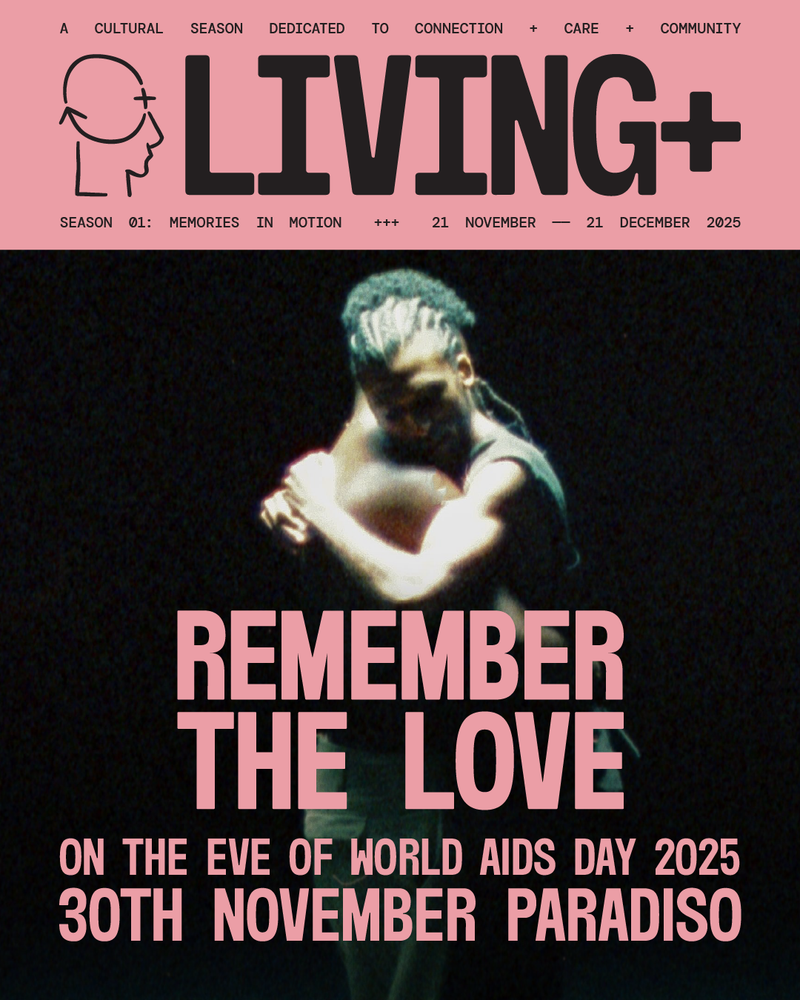
    On the eve of World AIDS Day, Living+ gathers in Paradiso’s Small Hall for an intimate evening of remembrance and artistic encounter. Inspired by the historic Seropositive Ball and Love Ball, which once filled this city with bright, defiant life, Remember the Love carries their spirit into a contemporary, quieter form shaped by tenderness, memory and community.At the heart of the evening is a special fundraiser for IHLIA, the Amsterdam-based heritage organisation for LGBTIQ+ history in the Netherlands and home to the largest LGBTIQ+ collection in Europe. As essential archives like IHLIA face increasing financial pressure, this initiative is led by a younger generation that understands its place in a lineage and seeks to honour the histories that shaped it. Guests can support the fundraiser throughout the night or via the dedicated link.The programme opens with the world premiere of Only You, performed by yazija, the long-durational performance vehicle of the artistic and social practice bsdwcorp, founded by J.G. Basdew. For this occasion, yazija is accompanied by Sabiá on piano, who created the arrangements from Basdew’s original compositions. Rooted in music and active remembrance, Only You unfolds as an intimate act of listening and witnessing in which sound becomes a vessel for memory. Personal histories open into a shared emotional landscape, offering an early glimpse of a larger presentation to come during World Pride 2026.The programme then flows into a Solidarity Gathering hosted by R.U.I.S. Collective (Remembering Us in Solidarity). R.U.I.S. is a queer-led, anti-capitalist movement that reimagines nightlife as a space of resistance, care and political imagination. Known for transforming gatherings into sites of radical solidarity, R.U.I.S. brings together art, community and activism in a spirit of collective liberation.A soft DJ-set by Slimfit, co-founder of R.U.I.S. Collective, anchors the atmosphere as the Small Hall becomes a temporary archive of care, presence and reflection. Guests are invited throughout the evening to support IHLIA—ensuring that the histories preserved there remain accessible to younger generations encountering them for the first time. The evening closes warmly and gently in the same shared space.Remember the Love is part of Living+ (21 November to 21 December 2025), an international cultural programme exploring how art and intergenerational dialogue can bridge the widening gap between urgent public-health conversations and younger generations who often engage these histories at a distance. Its first season, Memories in Motion (2025), centres on the lived realities and emotional legacies of HIV/AIDS. Tickets are available now.
    • Events

  • ODUMODUBLVCK at Patta London

    ODUMODUBLVCK at Patta London

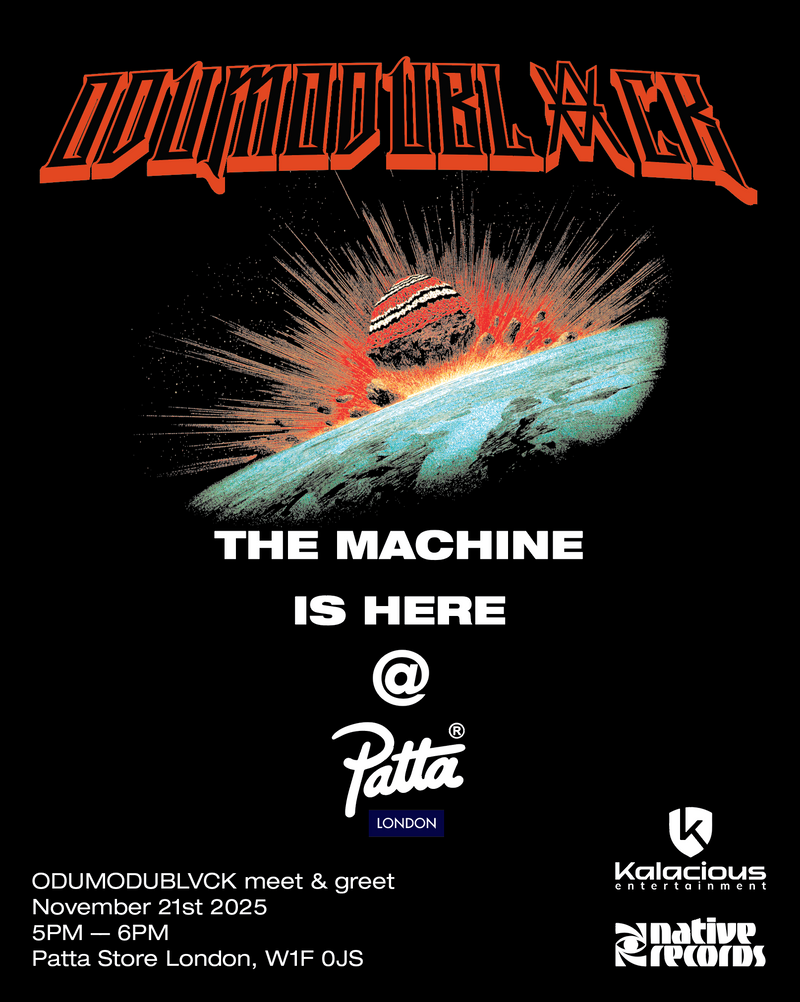
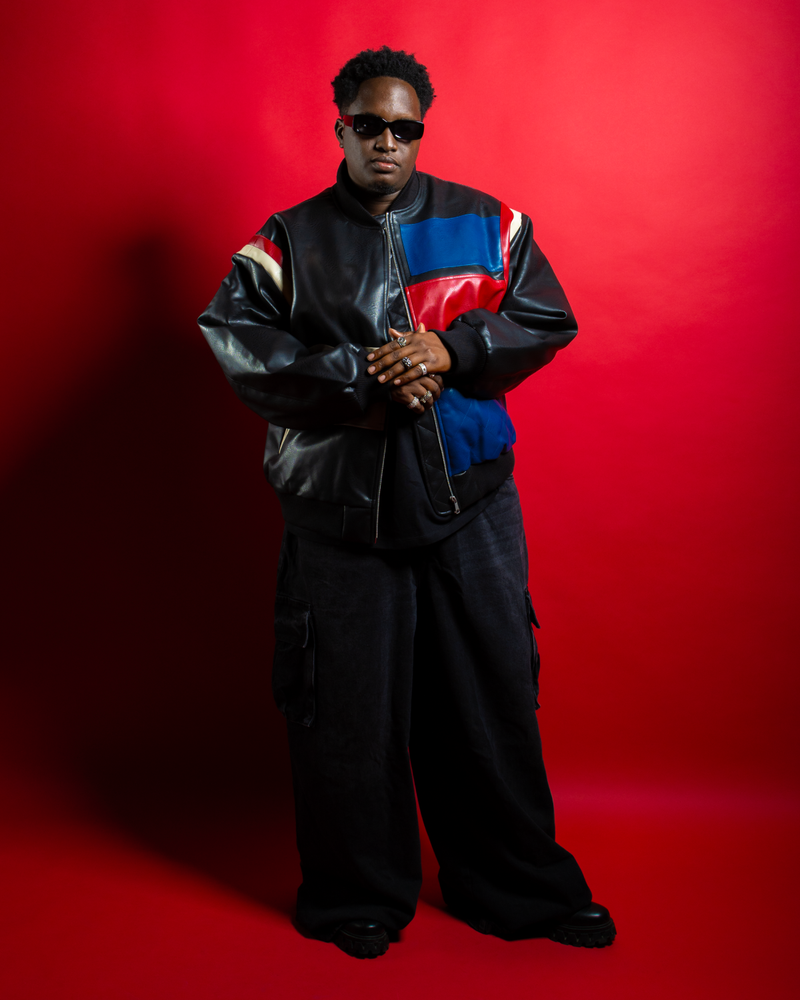
    The Machine touches down in London. For one afternoon only, Odumodublvck is connecting with Patta London ahead of his headline show at Drumsheds this Friday, November 21st. Join us in-store for an exclusive chance to purchase the limited Patta x Odumodublvck T-Shirt, available only during this special moment. First come, first served.
    • Events

  • Murkage Dave - Swordfight In A Chicken Shop

    Murkage Dave - Swordfight In A Chicken Shop

    Murkage Dave is back with a brand new music video for Swordfight In A Chicken Shop
  • Mixtress & Passion DEEZ at Patta x Keep Hush

    Mixtress & Passion DEEZ at Patta x Keep Hush

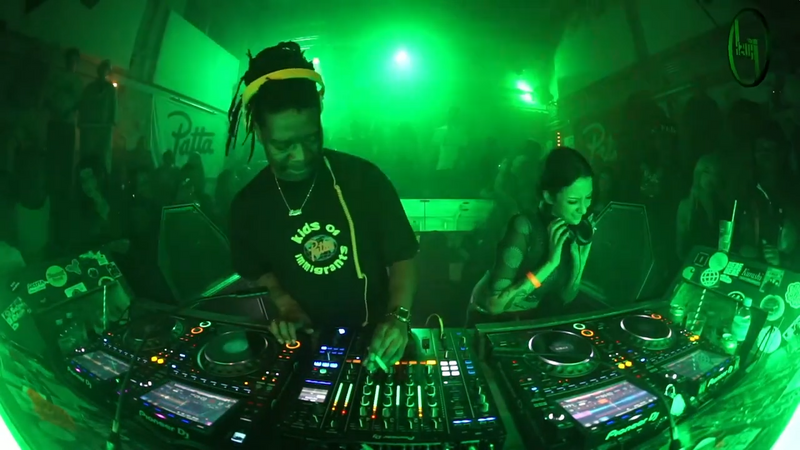
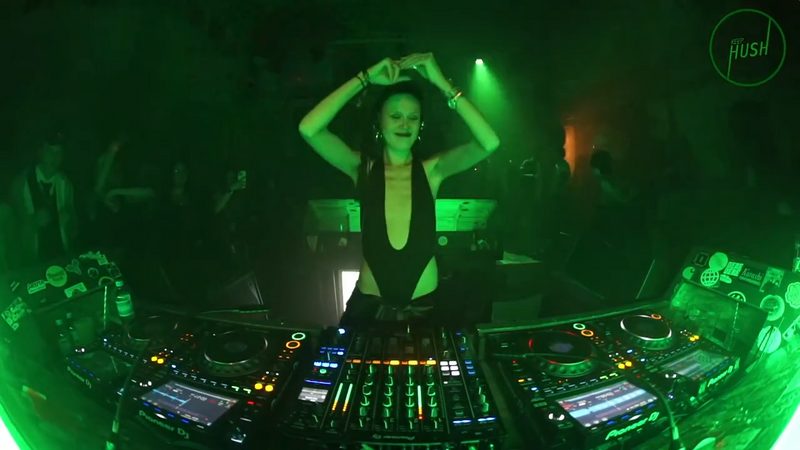
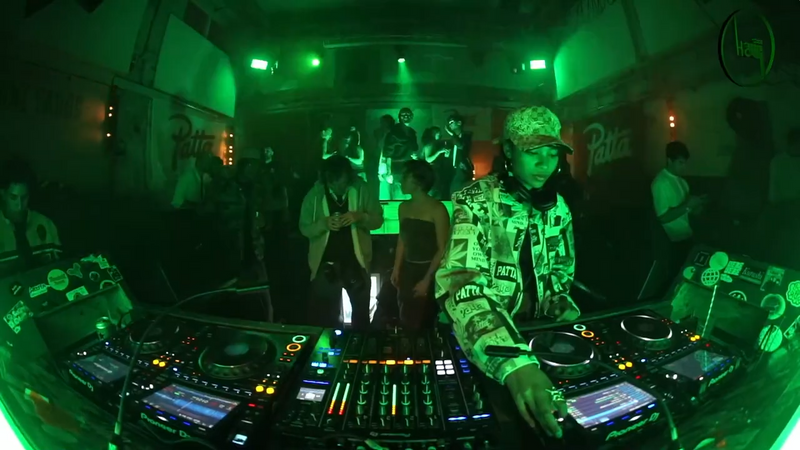
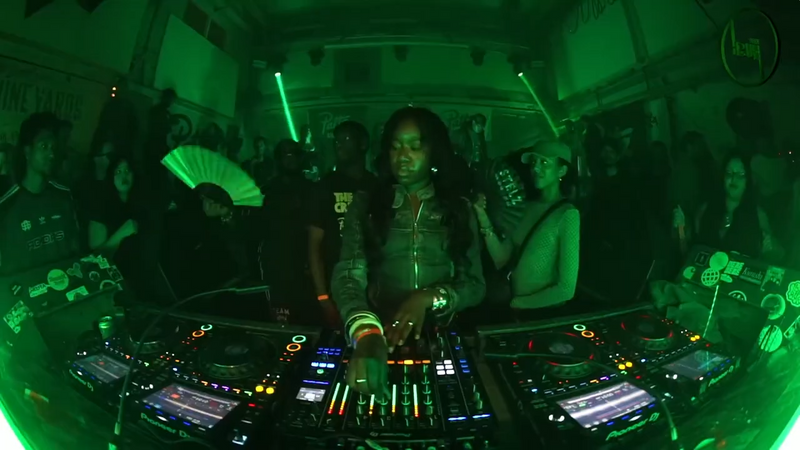
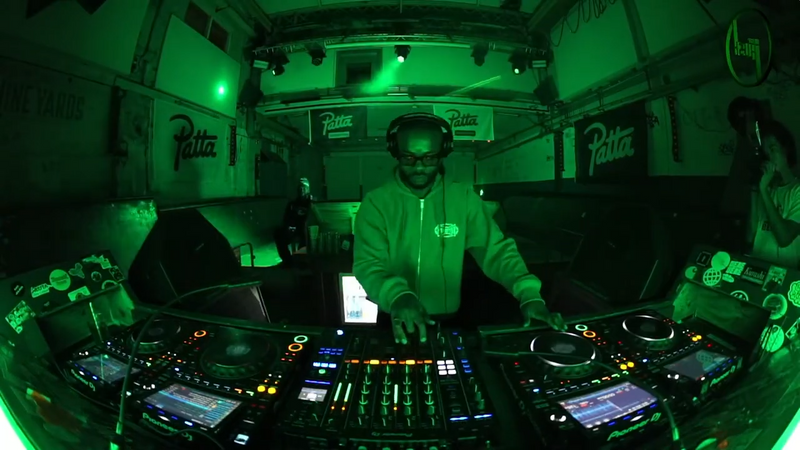
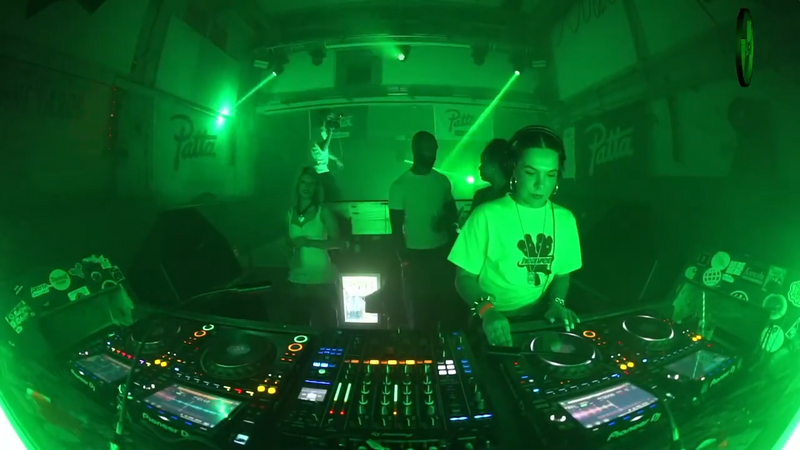
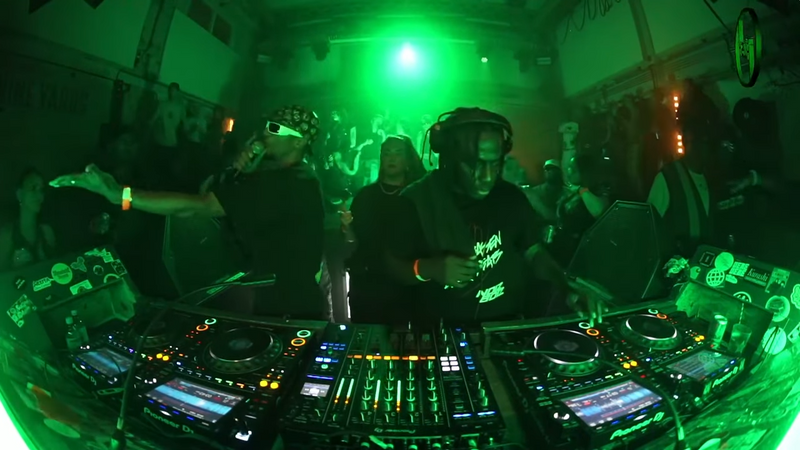
    Patta x Keep Hush returned to Skatecafé for their third ADE takeover, curated by Passion DEEZ. This year’s event championed Amsterdam’s underground sound, past and present, with a lineup of DJs who’ve helped shape the city’s vibrant nightlife scene and those who will carve a path in coming years True to Keep Hush’s roots, the night was a celebration of underground club music, blending jungle, garage, dubstep, UK funky, drum and bass, and bubbling; reflecting the diverse and boundary-pushing energy that defines Amsterdam’s dance culture.
    • Music

  • Slimfit at Patta x Keep Hush

    Slimfit at Patta x Keep Hush

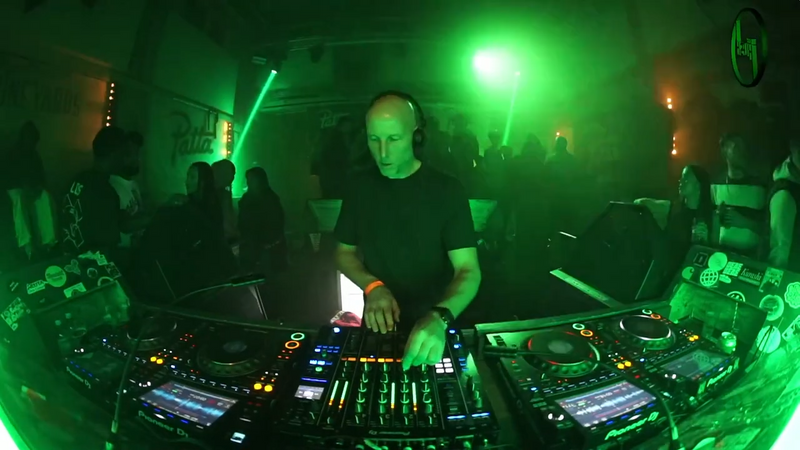
    Patta x Keep Hush returned to Skatecafé for their third ADE takeover, curated by Passion DEEZ. This year’s event championed Amsterdam’s underground sound, past and present, with a lineup of DJs who’ve helped shape the city’s vibrant nightlife scene and those who will carve a path in coming years True to Keep Hush’s roots, the night was a celebration of underground club music, blending jungle, garage, dubstep, UK funky, drum and bass, and bubbling; reflecting the diverse and boundary-pushing energy that defines Amsterdam’s dance culture.
    • Music

  • Cheyanne Hudson at Patta x Keep Hush

    Cheyanne Hudson at Patta x Keep Hush

    Patta x Keep Hush returned to Skatecafé for their third ADE takeover, curated by Passion DEEZ. This year’s event championed Amsterdam’s underground sound, past and present, with a lineup of DJs who’ve helped shape the city’s vibrant nightlife scene and those who will carve a path in coming years True to Keep Hush’s roots, the night was a celebration of underground club music, blending jungle, garage, dubstep, UK funky, drum and bass, and bubbling; reflecting the diverse and boundary-pushing energy that defines Amsterdam’s dance culture.
    • Music

  • AMARA at Patta x Keep Hush

    AMARA at Patta x Keep Hush

    Patta x Keep Hush returned to Skatecafé for their third ADE takeover, curated by Passion DEEZ. This year’s event championed Amsterdam’s underground sound, past and present, with a lineup of DJs who’ve helped shape the city’s vibrant nightlife scene and those who will carve a path in coming years True to Keep Hush’s roots, the night was a celebration of underground club music, blending jungle, garage, dubstep, UK funky, drum and bass, and bubbling; reflecting the diverse and boundary-pushing energy that defines Amsterdam’s dance culture.
    • Music

  • Zilla at Patta x Keep Hush

    Zilla at Patta x Keep Hush

    Patta x Keep Hush returned to Skatecafé for their third ADE takeover, curated by Passion DEEZ. This year’s event championed Amsterdam’s underground sound, past and present, with a lineup of DJs who’ve helped shape the city’s vibrant nightlife scene and those who will carve a path in coming years True to Keep Hush’s roots, the night was a celebration of underground club music, blending jungle, garage, dubstep, UK funky, drum and bass, and bubbling; reflecting the diverse and boundary-pushing energy that defines Amsterdam’s dance culture.
    • Music

  • YENTZYZ at Patta x Keep Hush

    YENTZYZ at Patta x Keep Hush

    Patta x Keep Hush returned to Skatecafé for their third ADE takeover, curated by Passion DEEZ. This year’s event championed Amsterdam’s underground sound, past and present, with a lineup of DJs who’ve helped shape the city’s vibrant nightlife scene and those who will carve a path in coming years True to Keep Hush’s roots, the night was a celebration of underground club music, blending jungle, garage, dubstep, UK funky, drum and bass, and bubbling; reflecting the diverse and boundary-pushing energy that defines Amsterdam’s dance culture.
    • Music

  • NoizBoiz at Patta x Keep Hush

    NoizBoiz at Patta x Keep Hush

    Patta x Keep Hush returned to Skatecafé for their third ADE takeover, curated by Passion DEEZ. This year’s event championed Amsterdam’s underground sound, past and present, with a lineup of DJs who’ve helped shape the city’s vibrant nightlife scene and those who will carve a path in coming years True to Keep Hush’s roots, the night was a celebration of underground club music, blending jungle, garage, dubstep, UK funky, drum and bass, and bubbling; reflecting the diverse and boundary-pushing energy that defines Amsterdam’s dance culture.
    • Music

  • L-Dopa at Patta x Keep Hush

    L-Dopa at Patta x Keep Hush

    Patta x Keep Hush returned to Skatecafé for their third ADE takeover, curated by Passion DEEZ. This year’s event championed Amsterdam’s underground sound, past and present, with a lineup of DJs who’ve helped shape the city’s vibrant nightlife scene and those who will carve a path in coming years True to Keep Hush’s roots, the night was a celebration of underground club music, blending jungle, garage, dubstep, UK funky, drum and bass, and bubbling; reflecting the diverse and boundary-pushing energy that defines Amsterdam’s dance culture.
    • Music

  • Get Familiar: Pozzy

    Get Familiar: Pozzy

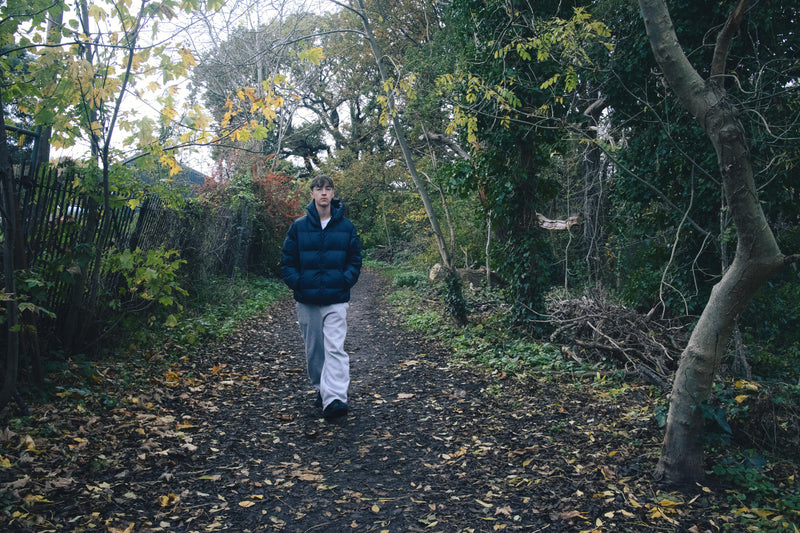
    Photography by Patrick Sear | Interview by Passion DzengaFrom small-town beginnings in Bury St Edmunds to festival stages across the UK, Pozzy is fast becoming one of the most refreshing new voices in grime’s evolving landscape. His music sits somewhere between laid-back jazz, sample-rich hip-hop, and the percussive pulse of the 140 BPM underground—a sound that feels both familiar and forward-looking. What started with piano duets and late-night freestyles with friends has grown into a fully realised artistic vision built on honesty, humour, and homegrown perspective.At just 20 years old, Pozzy already moves with the focus of an artist who knows where he’s heading. He writes from his daily life—train journeys, late-night links, small wins, and big questions—and filters it all through a jazz-infused, mellow grime sensibility that’s distinctly his own. His latest singles, “Step on the Train,”, “wait and see” and upcoming EP, ‘it’s all up in the air.’, showcase that blend perfectly: conversational but poetic, playful but grounded, catchy but never shallow.Whether rapping about the commute, the come-up, or creative community, Pozzy’s voice feels rooted in something real—a reflection of a generation navigating uncertainty with optimism and soundtracking it with style. Ahead of his headline show at Camden Assembly on November 25th, he sat down with Team Patta to talk early influences, train rides, and the art of staying grounded while moving full speed ahead.Where are you from, and what music filled your home growing up?I’m from Bury St Edmunds in the east of England. At home, it was mostly whatever was on the radio, but my mum played piano and got me into keys early, so there was a lot of piano around—classical pieces and pop songs we’d play as little duets. I’d always sing along to the radio, too. That’s where the musicality started before I ever thought about rapping.Did you feel represented by what you heard around you?Where I’m from isn’t exactly an arts hub, so I wasn’t thinking “this isn’t experimental enough.” It wasn’t that deep—more just taking in whatever was there. For local references, Ed Sheeran’s from the same county, but a different town.How did you move from keys to rapping?It started with me and my friends rapping over instrumentals after school. At the same time I began studying music production at college, which helped me build skills and rap over my own beats as well.Which instrumentals defined those early sessions?MF DOOM beats were the go-to—there was that famous instrumentals playlist—and a lot of Pete Rock-related stuff. I didn’t clock it as “jazzy” back then, but that’s obviously the lane I kept gravitating toward.At college, were you making music for this project or ticking assignment boxes?I tried to bend every brief toward my own sound. It was early days, so there’s old music on my Spotify I’ve definitely outgrown—but it shows the journey. And it’s useful: when someone searches your name, something actually comes up.What’s changed most in your approach since then?I’m 20, still developing, but this year I started treating it like it has to work—leaning into the less glamorous bits: business, marketing, planning.Are you studying music now?Yeah—music production at uni. I’m in my final year.Is “train culture” just practical, or part of the aesthetic now?Both. I grew up countryside so I drive, but I don’t have a car. In London it’s all public transport—if you’re going anywhere, you’re on the train. It’s just life.Your recent single “Step on the Train” dropped recently. What’s the story?“Step on the Train” came out late September. The Producer Quill had sent a beat pack that landed in my spam; first beat I opened was the beat. I wrote it in about 25–30 minutes and recorded it at my desk. It’s jazzy, has breaks, and it’s part of my EP ‘it’s all up in the air.’,(out very soon). Lyrically it’s just my weekend perspective—get on the train, link mates, go out. Simple and real.Morning commute or late-night ride?Late night. Mornings are cold outside, boiling on the train, and packed.How do you usually make a track—lyrics first or beat first?Both. Sometimes I’ve got bars in my notes and I hunt for the right beat. Other times a beat sparks the first lines and I build from there. Keep it fluid.What do you and your friends actually get up to on a typical weekend?Depends on the day—park and football in summer, pub, cinema, shopping, studio. Normal stuff with the same people who inspire me.People group you with “mellow grime” or “alt-grime.” Fair?I like mellow grime—the community’s egoless and supportive. I don’t want to be boxed in forever, though. I listen to R&B, hip-hop, electronic, house, jazz. The EP hints at where I might go next while still owning grime DNA.Grime’s now global—how do you see your place in it?140’s worldwide. I love that the scene connects different people and cities. My friends and I are a little community we’ve built through music—that’s the bit I rate the most.Tell us about the EP — what should people take from ‘it’s all up in the air.’?The title’s about uncertainty—and being okay with it. There are different sounds on here; hopefully something for everyone. It shows I’m happy to make grime-adjacent music but with my own twist. Biggest message: be yourself, even when things feel up in the air.Do people ever judge you against the “traditional” idea of a grime artist?Some people are surprised at first—most in a good way. Some don’t get it and that’s fine. As long as I’m respectful and authentic, I’m enjoying it—and most people see that.Co-signs have been rolling in. How does that feel—and what about hearing from abroad?Surreal. I won’t name names, but there are artists I grew up on who’ve shown love. Hearing listeners from the Netherlands, the States, and Australia—wild, and motivating.Any live show plans?My headline at Camden Assembly on 25th November. We’re bringing special guests; Luis Rico is supporting. This one’s a concert, not a club set—me rapping full songs.How was festival season? Memorable moments?Mad. Wireless, Boomtown, All Points East, Leeds, Latitude, GEMFEST. All Points East went from 20 people at the start to 500 by the end. Boomtown was a bucket-list set; I’ll be back—hopefully on a bigger stage.Were these festivals you’d have gone to anyway?Yeah. I love dance music so I’m out in raves regardless. Boomtown’s always been on my list—first year there and I got to play it.Values without the manifesto—what guides you?Treat people how you want to be treated. I ask my friends to call me out if I slip.Does your circle keep you accountable—and are they all creatives too?Yeah—London circle is super creative: music, film, painting, dance, singing, producing. They gas me, but if something needs work they’ll say it. Feedback’s subjective, I take notes and keep moving. My friends are my biggest inspiration.Where do you want to take the sound next—more dance music?Definitely. I want to hit the dance world in a way that still feels Pozzy—maybe a bit alternative, but club-ready. I’ve got tunes; now it’s about plotting the rollout.Visuals and merch?We shot the biggest video of my career this past weekend. Merch will be exclusive to the live show—done with the designers behind the EP artwork. Clothes, CDs—tangible stuff. Proper world-building.Final thought on the journey from Bury to beyond?Never imagined it this fast. I dreamed it, sure—but seeing listeners pop up worldwide is mad. I’m grateful and hungry to see it all in person.As Pozzy steps confidently into this next chapter, his message is clear: keep moving, even when everything feels up in the air. With his debut EP ‘it’s all up in the air.’, on the horizon and the infectious single “step on the train” already setting the pace, it’s the perfect time to lock in and see what the buzz is about.Catch him live at Camden Assembly on November 25th for his first headline show — an intimate night of sharp bars, smooth breaks, and good energy, featuring special guests and exclusive merch drops.Grab your tickets now and experience the world of Pozzy in full colour — or if you can’t wait, hit play on “Step on the Train” and ride the wave wherever you are. 
    • Get Familiar

  • Living Proof available at Patta London

    Living Proof available at Patta London

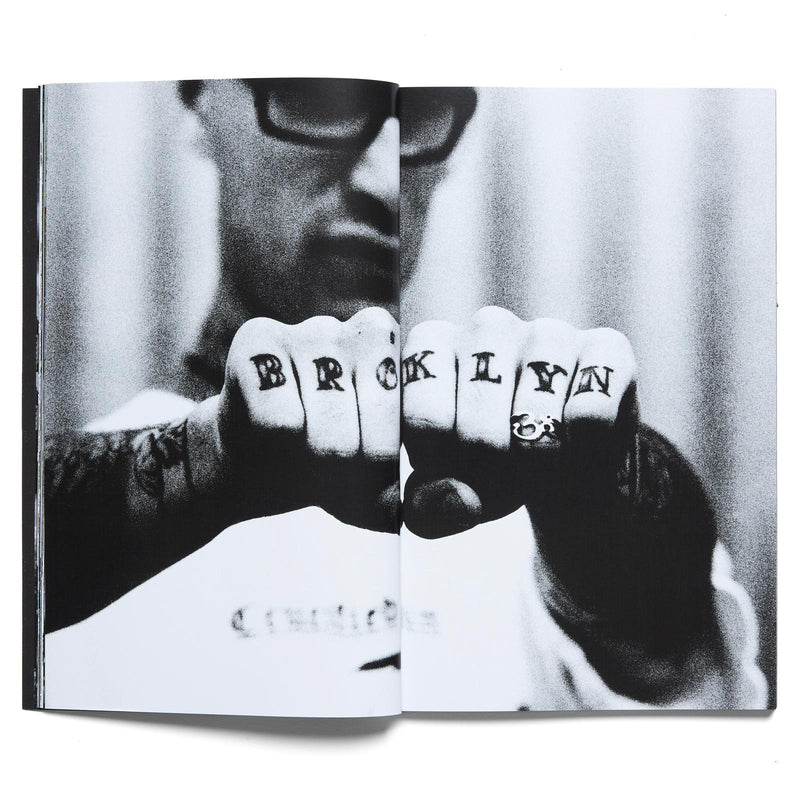
    Patta London is proud to finally welcome Living Proof to our shelves, featuring the legendary Boogie, a photographer who’s spent decades capturing the truth most people walk past.In NEW YORK IS MINE / I CAME AT THE PERFECT TIME, Boogie revisits his first decade behind the lens in New York City — 166 pages of unseen black-and-white work shot during one of the most defining periods for both the city and his career.Born Vladimir Milivojevich in Belgrade in 1970, Boogie grew up in the chaos of the nineties, where photography became a lifeline. From war-torn streets in Serbia to the raw corners of Brooklyn, his lens never flinched. He’s since become one of the most influential street photographers of our time — a documentarian of grit, honesty, and human reality. Living Proof shines a light on that legacy — and this issue sets the tone: uncompromising, unfiltered, and alive.“NEW YORK IS MINE / I CAME AT THE PERFECT TIME” is now available at Patta London.Step through, spend some time with it, and take home a piece of history.
    • books

  • ODUMODUBLVCK at Skatecafe

    ODUMODUBLVCK at Skatecafe

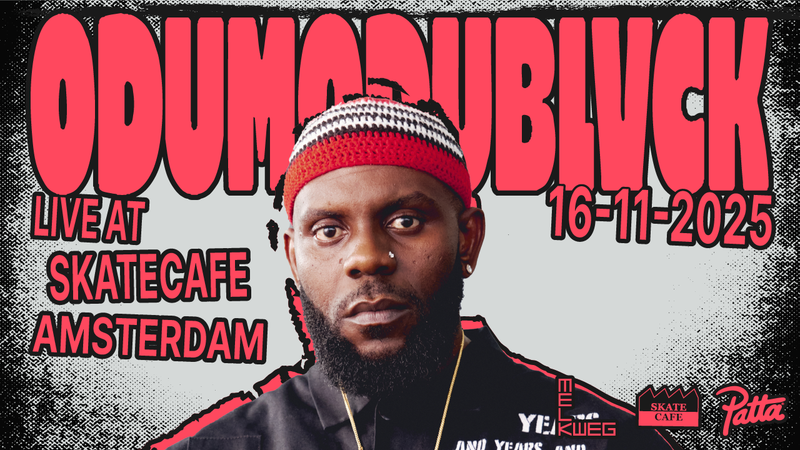
    The wait is over. ODUMODUBLVCK lands in Amsterdam for his debut Dutch live show at Skatecafe on Sunday, 16 November. The Abuja-bred disruptor shapeshifts between grime voltage and Afrobeat swing, forging Okporoko Rhythms, the sound that crowned him the voice of Nigerian drill.Fresh off his fifth album INDUSTRY MACHINE, ODU shows no signs of slowing down. The project, featuring heavyweights like Wizkid, Davido, Modenine and Skepta, cements his status as one of the most dynamic voices out of Africa, genre-blurring, truth-telling and impossible to pin down.The face of the recent Patta x Nike Air Max 90 campaign reinforces the bridges he has been building by finally delivering a live show for his Netherlands-based community. From the viral charge of “Declan Rice” to the chameleonic palette of EZIOKWU (The Truth), ODU’s pen stays sharp and his presence stays heavy. Expect highlife-laced hooks, drill grit and unflinching charisma. “Music for everybody: father, mother, son, daughter,” as he says.For this special night, Patta, Melkweg and Skatecafé join forces to make ODU’s first time in Amsterdam a reality. Tickets are available now. Limited capacity. Come early. Leave changed. Don’t miss out! The doors open at 18:00 o'clock. For this special night we’ve invited The Jollof Club to take over the kitchen. Serving up their signature smoked Jollof Rice with Fried plantain and Suya chicken or Suya Beet (v). Come early and enjoy some jollof with us!
    • Events

  • Get Familiar: Morriarchi & Sonnyjim

    Get Familiar: Morriarchi & Sonnyjim

    Interview by Passion Dzenga | Photography by Greg StanleyIn the ever-evolving landscape of hip hop, two artists have been quietly but consistently bending the rules. Birmingham rapper Sonnyjim and Sheffield producer Morriarchi come from different parts of the country, but share a deep commitment to craft, collaboration, and keeping things unpredictable.Sonnyjim’s deadpan flow and razor-sharp wordplay have seen him move between underground cult status and collaborations with legends like MF Doom, Jay Electronica, DJ Premier, and Madlib. Morriarchi, meanwhile, has carved out a reputation as a beatmaker with cinematic vision — pulling from dusty records, global travels, and Sheffield’s DIY spirit to create soundscapes that sit somewhere between hip hop, trip hop, and leftfield electronica.Together, they’ve built a partnership rooted in trust, experimentation, and an almost playful refusal to fit into one box. Their forthcoming record is their most expansive yet — spanning smoked-out jazz loops, heavy funk flips, and unexpected cinematic turns.Get familiar with the duo as they talk about their creative chemistry, the UK’s shifting musical landscape, and how to keep building when algorithms and AI threaten to flatten the sound. What follows is a conversation about community, chaos, and finding your voice in a scene that’s finally getting global attention.You’ve both been making waves in UK hip hop for quite a few years now, but your paths are very different. For anyone new to your work, how would you describe your sound?Sonnyjim: How would I describe my sound? Recently I’ve been asking ChatGPT this and it called it “deadpan luxury.” Personally, I don’t know. People say it’s smoked-out jazz, drumless — which I don’t really agree with. It’s always a hard one for me. I feel like I don’t really have a sound. I just rhyme on whatever I like — funk, disco, soul, abstract loops. Whatever I gravitate toward. I try not to put it in a box.Morriarchi: I’d say something similar. It’s not rooted in one style because I’m a DJ and collector first. I’m into sprawling tastes, going in multiple directions. Some people have called it chaotic, but I like adding a cinematic edge too — I’m a big film head. In the end, it’s not really for us to decide. The listener decides.Sonnyjim: Exactly. To us, it feels varied, but if you ask my girl, she’ll say all my shit sounds the same.Since you both started your musical journeys, the landscape has shifted a lot. How would you say Sheffield shaped your sound, Morriarchi? And Birmingham shaped yours, Sonnyjim?Morriarchi: Sheffield had more of a DIY techno and dub scene. No dominant hip hop scene. That made us breed something else, move at our own tempo.Sonnyjim: Birmingham was always active. Even when UK rap felt dead nationally 20 years ago, there was still a scene there. Being the second city, rooted in Jamaican and bhangra culture, there was always MCs, always a competitive spirit. That shaped me from early.Sonnyjim you’ve cited UK legends like Skinnyman alongside US influences like Jay-Z and Nas. How do you reconcile those two worlds?Sonnyjim: To me, it’s all the same. I don’t look at UK vs. US. If a rapper raps good, they rap good. I don’t differentiate. It’s just good music.Morriarchi your beats have a dusty, cinematic quality — almost like short films. Where does that come from? Old records, movies, experimentation?Morriarchi: All of it. I sometimes think of it like martial arts — learning techniques and finding what works for you. Early on I wanted to make beats like DJ Premier or DJ Muggs. Being in Sheffield, Warp Records and trip hop were huge influences too. But over time you want to dig deeper, find sounds that haven’t been over-sampled.At the end of the day, it’s not just what you do with a sample but the personality you add. Sometimes I think I should have added more technicality, but Sunny’s like, “Nah, it’s done.” His voice becomes the final instrument. Trusting that process is key.You’ve both worked with artists from Blah Records and beyond. What do you look for in a collaboration?Sonnyjim: These days, it’s more about knowing the person. Me and Morri knew each other for years before working. If I don’t enjoy the process, it’s not worth it, no matter how talented someone is.Morriarchi: Yeah, sense of humor helps too. Those inside jokes, little samples or skits we find funny — even if the audience doesn’t get them — they make it enjoyable for us. And that joy comes through in the music.Sonnyjim on the record White Girl Wasted you had an insane lineup — MF Doom, Jay Electronica, Premier, Madlib. How did those collaborations come about?Sonnyjim: Honestly, just from being around so long. It’s six degrees of separation. With Doom, we sent the beat and he wrote off it. Once we had Doom, we reached out to Jay. He was the hardest to get — we didn’t have a link until I saw him post on Instagram about four people to contact. I hit them all, one got back, and the rest is history. Premier I already had a relationship with, and Madlib came through Egon. I was sitting on Doom’s verse from 2018. Didn’t release it until five years later when the album came together.Let’s talk about your collaboration. What’s the creative process like? Beats first, bars first, chaos?Sonnyjim: Bit of everything. I’m always writing bars. Morri’s always cooking beats. Sometimes he brings me something saying, “I hear you on this.” Sometimes I ask him for a vibe I’ve been inspired by. He’s got so many crazy styles I haven’t even touched yet.Morriarchi: Mostly we’d send folders back and forth. A few times we worked in person. There was one beat I had to really convince Sonnyjim to get on. Took some psychedelic assistance to finish that one [laughs]. But then you get magic, like with Peace Ar. I played him the record in a pub, and he wrote the rhymes the next time we were in the studio.Sonnyjim: Yeah, that was the last song we recorded. Came together so organically. Some of these tracks were fresh — not sitting around for years — which makes the album feel alive to me.Do you ever disagree in the studio?Sonnyjim: Nah, never that. For me, part of picking collaborators is about trust and learning from each other. Sometimes I’ll think, “That doesn’t sit right,” and Morri will see it differently. Later I might realize he was right. We never had major disagreements — just small details.Morriarchi: Yeah, like whether to turn up a dog bark in the mix. Minor stuff. For the sequencing, I handled it, and Sonnyjim trusted me. I think sequencing still matters, even in the playlist era. It’s like chapters in a film.Sonnyjim: And Morri mixes are part of the production. First time I’ve experienced that. The mix itself shapes the sound.Your bars, Sonnyjim, are often dense with clever wordplay, references, and imagery. Do you start with concepts, or do the beats dictate where you take the vocal?Sonnyjim: It’s always different. Sometimes I’m just writing and I’ve got loads of bars anyway. Sometimes I’ll be in the studio, just playing beats all day and writing fresh. Sometimes I’ll write something for one beat, then try it over ten others and see what it fits best on. You’d be surprised how often a verse ends up fitting a beat I never would’ve chosen first. I try not to overthink. I’ve always got dozens of beats and rhymes on the go.Even when I’m not in the studio, verses just come to me. Sometimes in three or four minutes, sometimes in hours. It’s like crate-digging for producers — they’re always hunting records, new sounds, flipping stuff. For me it’s the same with rhymes. You don’t stop. It’s ingrained in your mind.And for yourself, Mitch, how do you balance experimenting with keeping your music listenable?Morriarchi: I think now, because I’ve built up a bunch of different styles, I don’t even notice what I’m doing half the time. I’ll just start making stuff, then bring more intention to it later.Experimentation is necessary. Especially now — when you’re up against AI, you’ve got to stay unpredictable. Like, if someone asks for a mariachi beat, hopefully the machine won’t even know what to do with that. I’ve seen Terminator — I’m not trying to lose that fight.Fingers crossed this interview doesn’t make it easier for the robots.Morriarchi: [laughs] They’re coding it out already.UK hip hop’s finally getting more international recognition, with stronger ties to the US underground. Do you feel like you’re part of a bigger global movement, or is what you’re doing still very much UK?Sonnyjim: For me, I’ve always felt part of the global movement. I’ve never considered myself strictly “UK hip hop.” I just saw myself as a rapper in the world who happened to live here. If anything, I’ve felt more of an outsider in the UK, and more accepted globally.Morriarchi: It’s an interesting one. Here, “UK hip hop” almost became a dirty word for a while. But now it’s healthier, more varied. Social media also leveled things out — people in Paris or London or anywhere can connect with it.Blah Records deserves a big shout too. They built on regionality — Manchester, Liverpool, Sheffield, London. All those personalities became part of something global. Personally, I’m proud to be from the UK, but I don’t want to just be boxed in as a “UK artist.” I’d rather just be seen as an artist, full stop.Keeping on the international theme — I want to touch on the Pataka Boys. You’ve spoken about bringing in sounds when traveling. What was it like creating music that’s so culturally layered?Sonnyjim: Credit for that goes fully to the producer. If you listen closely, there aren’t actually that many Indian textures — it’s more dialogue, little sounds, the atmosphere. That’s what gave it the feeling. Plus we were rapping in Punjabi and different dialects. But the producer really had the vision.When we started, he was just a kid. About 19. He’d never worked with rappers before — had made like a thousand beats, all crazy, but no experience in structuring an album. He trusted me and Pav, so in a way we produced it together. Honestly, it wasn’t even meant to be an album. Pav was staying at mine, we had a studio, he started recording me. Then he jumped on some tracks too. A few days later we had ten records, then we went to India and added more. Super organic. Funny thing is, now he’s my engineer. He records me remotely from India. He knows everything now. Six years later he’s a beast.What have been some of your favourite venues or cities to perform in?Sonnyjim: Paris. Always shows me love. London too. Amsterdam. But Paris is number one.Morriarchi: For me, it’s walking into a record shop abroad and seeing my vinyl in the stacks. That’s incredible. Japan is always special — Osaka’s got this unique energy. And Slovenia too — I played there recently, and the knowledge the crowd had blew me away.With so much music out, do you ever slow down?Sonnyjim: I will soon. I’ve got seven or eight albums sitting, waiting. After next year, I’ll probably take a break.Morriarchi: I work in cycles. 2020–21 I released loads, then slowed down. Now I’m trying to be more intentional, give things longevity. But if projects pile up, I’ve got to get them out.The new record, will we see it performed live?Sonnyjim: For sure. I’m so proud of this music, at least half the album’s going in my live set. Can’t wait to tour it.Morriarchi: Same. This album was really special. Sonny actually came up with the title.Sonnyjim: Yeah, just something I saw online that resonated. Showed it to Morri, and we built from there.Morriarchi: I love world-building. Whether it’s microwaves or ’90s rap, it’s about having a reference point, a box of inspiration to pull from. That makes the whole process richer. 
    • Get Familiar

Error